
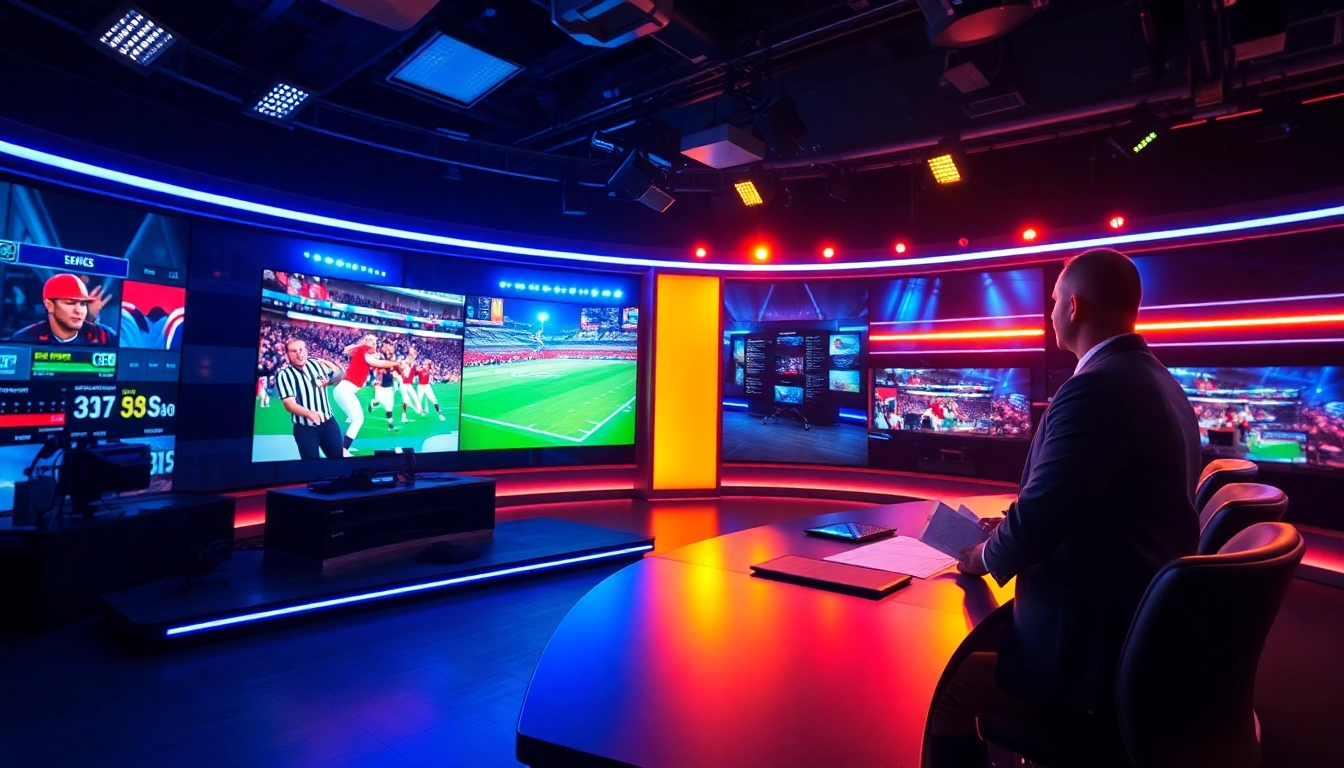
Understanding the Landscape of Sports Broadcasting
The realm of Sports Broadcasting has witnessed a transformative journey over the decades. As we delve into this dynamic industry, it becomes clear that understanding its history, current trends, and impact of digital media is paramount for stakeholders aiming to navigate its complexities effectively. This comprehensive analysis will explore the significant elements that contribute to successful and engaging sports broadcasting.
History and Evolution of Sports Broadcasting
The origins of sports broadcasting date back to the early 20th century. The first radio broadcast of a live sporting event occurred in 1921, when a boxing match between Johnny Dundee and Johnny Ray was aired. Following this, television revolutionized sports viewing in the 1950s, allowing fans to watch games live from the comfort of their homes. Major events like the Super Bowl and the Olympics became household spectacles, attracting millions of viewers worldwide and exponentially increasing advertising revenues.
Over the years, advancements in technology, such as color broadcasting and satellite transmission, have further enriched the viewer experience. Moreover, the introduction of cable networks in the 1980s expanded the variety of sports available to audiences, catering to niche sports and various demographics. As we moved into the 21st century, the rise of the internet and streaming platforms brought about a seismic shift, making sports content accessible anytime and anywhere.
Current Trends in Sports Broadcasting
Recent trends in sports broadcasting emphasize viewer engagement and flexibility. The shift towards digital platforms has led to an emphasis on customization, where viewers can choose how, when, and what sports content to consume. Live streaming services, social media, and mobile apps have transformed how audiences connect with their favorite teams and athletes.
Furthermore, data analytics is becoming integral in enhancing the viewing experience. Broadcasters are leveraging insights from viewer preferences to tailor content delivery, improving interaction with fans during live broadcasts through polls, quizzes, and real-time statistics. Additionally, virtual and augmented reality technologies are increasingly being used to offer immersive experiences that were once the domain of fantasy.
Impact of Digital Media on Sports Broadcasting
The advent of digital media has fundamentally altered the landscape of sports broadcasting. Traditional broadcasters now compete not only with each other but also with online platforms that provide alternative viewing options. Social media has emerged as a powerful tool for engagement, allowing broadcasters to communicate directly with fans, promote content, and share highlights almost instantly.
Moreover, the onset of pay-per-view and subscription models has led to new revenue streams, enabling fans to access exclusive content and live events. This shift has also prompted traditional broadcasters to adapt their strategies, focusing on creating engaging narratives and community-focused content to retain viewer interest.
Key Elements of Successful Sports Broadcasting
Content Creation Strategies for Sports Broadcasting
Developing compelling content is critical for successful sports broadcasting. Effective strategies include storytelling, where narratives are crafted around teams, players, and their journeys. These stories resonate with fans on an emotional level, fostering loyalty and engagement.
Incorporating analysis and expert commentary can enhance the viewer experience by providing deeper insights into the sport. Furthermore, utilizing high-quality production standards, including camera angles, graphics, and sound, significantly impacts viewer enjoyment. Streamlining the content creation process through collaboration with digital creators and influencers can also attract younger audiences.
Engaging Your Audience in Sports Broadcasting
Engagement is pivotal in retaining viewers in a saturated market. One effective approach is to leverage interactive content. Techniques such as live chats, fan polls during broadcasts, and opportunities for audience participation via social media can dramatically improve audience connection. Enhancing the viewing experience with gamification can also encourage viewer interaction during live events.
Furthermore, personalized content, bespoke to viewer preferences, can help cultivate a loyal following. This involves using analytics to understand audience behavior and offering tailored viewing options that resonate with specific demographics.
Technological Innovations in Sports Broadcasting
Technological advancements continually shape sports broadcasting. Innovations like 4K and 8K resolution offer enhanced visual experiences, while drones provide unique aerial perspectives of live events. Moreover, Artificial Intelligence (AI) is revolutionizing how data is processed, enabling the creation of personalized highlights and tailored viewing experiences.
Robot commentary and virtual reality broadcasts are on the rise as well, offering fans new ways to engage with their favorites. Broadcasters are increasingly investing in the latest streaming technologies to reduce latency and improve transmission quality, making the broadcasting experience smoother and more enjoyable.
Challenges in the Sports Broadcasting Industry
Navigating Regulatory and Compliance Issues
The sports broadcasting industry faces numerous regulatory and compliance challenges. Rights management has become complex, with intricate licensing agreements governing how content can be shared and monetized. Broadcasters need to adhere to strict regulations to avoid infringement, which can lead to significant financial penalties.
Furthermore, navigating international broadcasting rights can complicate telecast situations, especially for large-scale events like the World Cup or the Olympics. It’s vital for broadcasters to stay informed of changing regulations to maintain compliance and protect their investments.
Overcoming Technical Challenges in Sports Broadcasting
Technical challenges, such as connectivity issues and equipment malfunctions, can hinder the broadcasting process. Reliable technology and backup plans are essential for on-the-fly adjustments during live broadcasts. Investment in advanced broadcasting equipment and rigorous testing protocols before events can mitigate these risks significantly.
Moreover, understanding the audience's technical capabilities is crucial. Broadcasters should ensure their content is accessible across various devices and connection speeds, enhancing overall viewer satisfaction.
Dealing with Competition in the Sports Broadcasting Market
The sports broadcasting market is highly competitive, with numerous platforms vying for viewer attention. To stand out, broadcasters must innovate continually, offer unique content, and foster strong community engagement. Collaborating with teams and leagues can provide exclusive access and insights, which can be invaluable. Building strong partnerships with social media platforms can also enhance visibility and audience reach.
Moreover, maintaining a presence across multiple platforms—linear television, streaming services, and social media—is critical to capturing diverse audience segments. Crafting a clear brand identity that resonates with target demographics can help broadcasters differentiate themselves and build loyalty among fans.
Metrics for Measuring Success in Sports Broadcasting
Key Performance Indicators to Track
In the world of sports broadcasting, measuring success goes beyond viewership numbers. Key Performance Indicators (KPIs) such as viewer retention rates, peak viewership during significant moments, and audience demographic information provide valuable insights into performance. Sponsorship and advertising revenues can also be indicative of broadcasting success.
Engaging analytics tools can track social media interactions, allowing teams to quantify fan engagement and sentiment. This data enables broadcasters to make informed decisions, fine-tuning their strategies to enhance performance continuously.
Analyzing Viewer Engagement in Sports Broadcasting
Understanding viewer engagement is essential for tailoring content to audience preferences. Metrics such as average watch time, interactions during broadcasts, and post-game analysis viewership can provide insights into how effectively content resonates with audiences. Broadcasters can utilize surveys and feedback forms to gather direct audience insights, allowing them to adjust programming based on viewer needs.
ROI Considerations in Sports Broadcasting
Calculating Return on Investment (ROI) in sports broadcasting involves analyzing direct revenue generated through advertising and subscriptions against production and operational costs. Broadcasters must track down additional revenue sources, such as merchandise sales or subscription upgrades, to understand overall financial performance.
Moreover, assessing the lifetime value of engaged viewers can provide a clearer picture of long-term profitability, influencing future investment decisions in content development and technology enhancements.
Future Trends in Sports Broadcasting
The Role of Artificial Intelligence in Sports Broadcasting
As technology continues to evolve, Artificial Intelligence (AI) will play a vital role in sports broadcasting. AI can analyze viewer data to recommend personalized content and create automated highlights from game footage, drastically shortening the time needed to produce episode recap videos.
Furthermore, AI can enhance real-time analytics during broadcasts, providing viewers with instant access to player statistics and game metrics, significantly enriching the viewing experience.
Fan Engagement Strategies for the Future
Future fan engagement strategies will focus on deeper personalization and integration. Leveraging machine learning algorithms, broadcasters will provide tailored content based on viewer preferences, enhancing the connection between fans and their teams. Interactive platforms that engage users in predictions and fantasy leagues can generate enthusiasm and foster community.
Innovative solutions like virtual meet-and-greets with athletes and other behind-the-scenes experiences will become more prevalent, giving fans exclusive access they crave in a competitive marketplace.
Emerging Platforms and Technologies in Sports Broadcasting
The emergence of platforms such as OTT services dramatically reshapes the broadcasting landscape. These platforms offer flexible, on-demand viewing options, catering to a generation accustomed to consuming content on their terms. As technology improves, so will the ability to deliver high-quality broadcasts across these services.
Additionally, partnerships between broadcasters and technology companies will lead to innovative solutions, such as blockchain for rights management and augmented reality for immersive experiences. These advancements will redefine how fans interact with sports broadcasting in the coming years.
Frequently Asked Questions
What is sports broadcasting?
Sports broadcasting involves the live transmission and showcasing of sporting events through television, radio, or digital platforms, enabling fans to watch and engage with their favorite sports.
How has digital media changed sports broadcasting?
Digital media has expanded audience access, increased interactivity, and allowed for more personalized viewing experiences, significantly altering traditional broadcasting methods.
What are key metrics for success in sports broadcasting?
Key metrics include viewer retention rates, average watch time, peak viewership, and engagement statistics such as social media interactions and feedback surveys.
How can broadcasters enhance audience engagement?
By utilizing interactive content, leveraging social media, and personalizing viewing experiences, broadcasters can significantly enhance audience engagement in their programming.
What future trends should broadcasters anticipate?
Future trends include the integration of AI, deeper fan engagement strategies, and emerging technology platforms that will transform how sports are consumed and interacted with.