Understanding Window Tint Chattanooga
What is Window Tinting?
Window tinting involves applying a thin film to the glass of vehicles, homes, or commercial buildings to enhance privacy, comfort, and aesthetics. This film comes in various shades and materials, designed to reduce glare from the sun, block harmful UV rays, and improve energy efficiency. In Chattanooga, window tinting has become a popular upgrade for car owners and homeowners alike, offering a blend of function and style. Understanding the basics can help you make informed choices about your window tint Chattanooga.
Benefits of Window Tint
Window tint offers numerous advantages. Firstly, it acts as a protective barrier against UV rays, which can cause skin cancer and fade your vehicle's interior. Secondly, it significantly reduces glare from the sun, improving visibility while driving. Additionally, window tint enhances privacy, shielding you from prying eyes while giving your vehicle or home a sleek appearance. Moreover, it can lead to energy savings, as tinted windows keep the interior cooler during hot weather, reducing air conditioning costs. With so many benefits, it's no wonder that people are increasingly turning to window tint Chattanooga for their vehicles and homes.
Types of Window Tinting Films
There are various types of window tint films available, each tailored for specific purposes. Common options include:
- Dyed Window Film: This is the most basic type, offering a dark appearance while reducing glare and some UV rays. However, it does not provide heat rejection efficiently.
- Metalized Window Film: This film has a metallic layer that reflects heat and UV rays. It’s more durable than dyed films but may interfere with signal reception in phones and GPS devices.
- Carbon Window Film: Carbon films block a significant amount of infrared rays, providing better heat rejection without the reflective quality of metalized films.
- Ceramic Window Film: This high-performance film contains ceramic particles, offering superior heat rejection while maintaining visibility. It won't fade over time, making it a long-lasting choice.
Choosing the Right Window Tint Chattanooga
Factors to Consider
When selecting the right window tint for your needs, consider the following factors:
- Purpose: Identify why you want tinting. Is it for heat rejection, UV protection, privacy, or aesthetics?
- Local Climate: Chattanooga experiences varied weather, so choose a tint that will effectively manage heat during hot summers.
- Legal Regulations: Ensure that the level of tint you choose complies with local laws to avoid fines.
- Budget: Window tinting prices can vary widely. Determine your budget upfront, as higher-quality films often come with better warranties and longer lifespans.
Legal Regulations in Chattanooga
In Chattanooga, window tinting laws dictate the acceptable levels of tint on different windows. For example, the front windshield must allow more than 70% of light in, while the front side windows must also comply with visibility standards. Rear side windows and rear windshields can usually be tinted darker, but specific regulations may vary, so checking with local law enforcement or guidelines is crucial before installation.
Best Practices for Selection
To select the best window tint for your vehicle or home, follow these best practices:
- Consult with a professional installer who can provide insights based on your needs and local regulations.
- Request samples to see how the tint looks on your vehicle or at your home.
- Review product reviews and warranties for the tint films you are considering.
- Evaluate installation options. Professional installation may result in better longevity and performance.
Installation Process Explained
Preparing Your Vehicle
Before window tinting installation, proper preparation is essential to ensure a flawless finish. Start by cleaning the windows thoroughly to remove any dirt, dust, or debris. This step is vital, as any residue can create bubbles or cause the tint film to adhere improperly. If you're having the work done professionally, they will manage this process, but knowing it can help you maintain your tint post-installation.
Step-by-Step Installation Guide
The installation process typically involves the following steps:
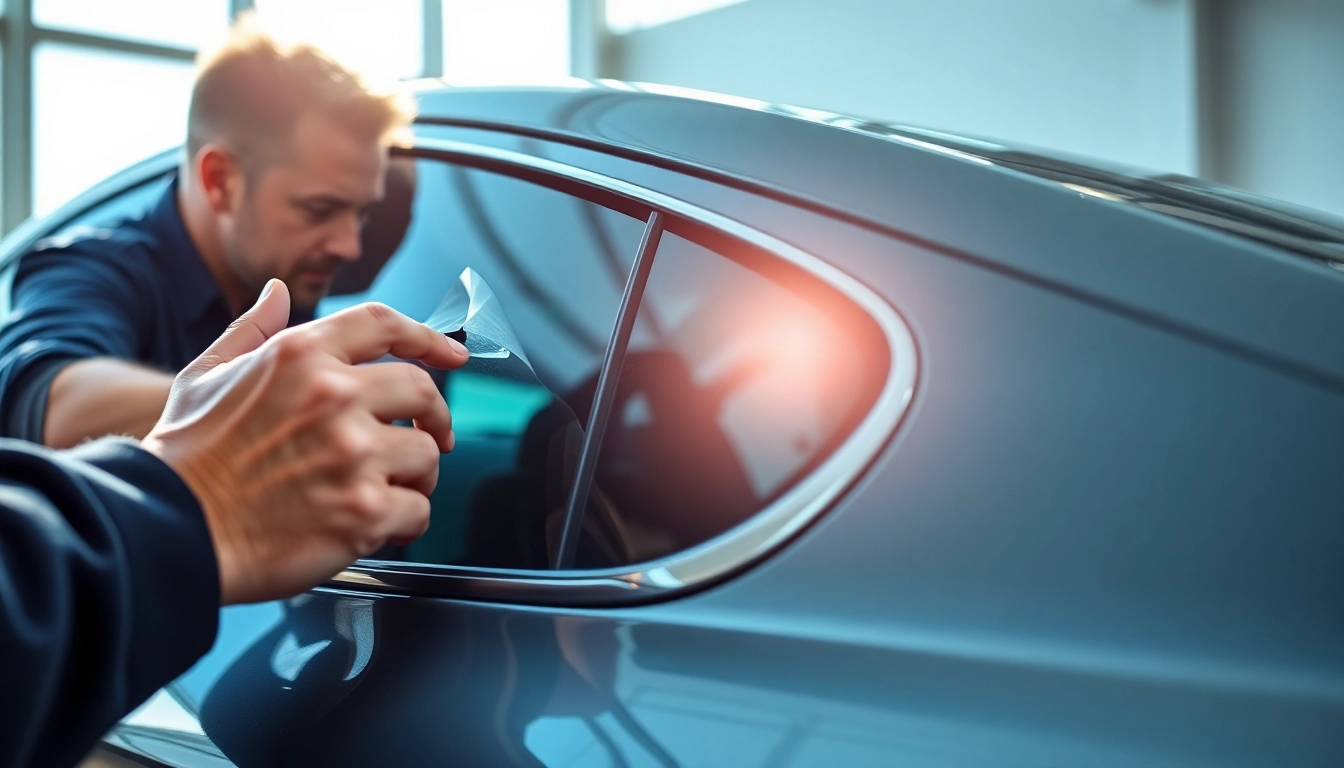
- Measure and Cut: The film is measured against the window and cut accordingly, allowing for a slight overlap for a perfect fit.
- Apply Solution: A solution of water and a few drops of soap is sprayed onto the glass. This allows for repositioning of the film during the installation.
- Place the Film: Starting from one edge, the film is carefully placed onto the window, ensuring no air bubbles form.
- Squeegee the Film: A squeegee is used to remove excess solution and air bubbles, ensuring a smooth application.
- Trim the Edges: Excess film is trimmed to the precise edge of the window for a clean finish.
- Drying: The film will need time to cure, during which water and moisture should be kept at bay.
Common Mistakes to Avoid
Avoid common mistakes that can mar your window tinting experience:
- Skipping Cleaning: Not properly cleaning the windows before installation can lead to unsightly bubbles.
- Choosing the Wrong Film: Not assessing your needs correctly may result in dissatisfaction with the performance of the tint.
- Neglecting Weather Conditions: Installing tint during humid or rainy conditions can cause adhesion problems.
- DIY without Experience: A poorly done DIY installation can be more costly to fix than hiring a professional.
Maintaining Your Window Tint Chattanooga
Care Tips for Longevity
To extend the life of your window tint, follow these care tips:
- Wait at least 48 hours after installation before cleaning the windows to allow the adhesive to settle.
- Use a soft cloth or non-abrasive cleaner to avoid scratching the film.
- Avoid using ammonia-based products, as they can degrade the tint film.
- Keep windows rolled up for the first few days to ensure the tint adheres well.
Signs It's Time for Replacement
Recognizing when to replace your window tint can save you from potential legal issues or aesthetic concerns:
- Fading: A significant reduction in visibility or darkening can indicate the film is aging.
- Peeling: Edges of the tint starting to peel away can compromise the look and function.
- Bubbles: Air bubbles forming under the film suggest it’s not adhered properly.
- Cracking: Visible cracks or damage mean it's time for a replacement.
Frequently Asked Questions
What is the average lifespan of window tint?
The average lifespan of window tint varies by type, but generally, high-quality films last between 5 to 10 years, depending on factors like UV exposure and maintenance.
Can I DIY window tinting?
While DIY window tinting is possible, professional installation ensures better results, as they have experience with tools, techniques, and the right materials.
How does window tinting affect insurance?
Window tinting generally doesn't affect your insurance premium. However, check with your insurer to ensure your tint meets legal requirements.
Will it affect my car's warranty?
Properly installed window tint should not affect your vehicle's warranty. Ensure you follow manufacturer guidelines and local regulations when tinting.
What’s the difference between ceramic and dyed tint?
Ceramic window tint offers superior heat and UV protection without affecting visibility, while dyed tint primarily reduces glare and aesthetics but offers less heat rejection.