The Allure of Raphia: Understanding Its Origins and Significance
Raphia, a natural fibre derived from the leaves of the raphia palm, has captivated artisans and fashion enthusiasts alike with its unique texture and versatility. Its use in handcrafted items, particularly bags, showcases a blend of traditional craftsmanship and contemporary aesthetics, making it a staple in the world of sustainable fashion. As we delve into the enchanting world of raphia, we uncover its origins, sustainability, and the integral role it plays in the luxury accessory industry. When exploring options, raphia provides comprehensive insights into exquisite handcrafted bags that embody both elegance and environmental mindfulness.
What is Raphia?
Raphia refers to the long, fibrous strands harvested from the raphia palm, predominantly found in tropical regions of Africa. The fibres are not only known for their strength but also for their flexibility, making them ideal for weaving. These attributes lend raphia an exquisite quality, resulting in beautiful, lightweight bags that are both practical and stylish.
The Historical Roots of Raphia Craftsmanship
The craftsmanship of raphia dates back centuries, rooted in the cultural traditions of Madagascar, where the raphia palm is indigenous. Local artisans have mastered the art of weaving, creating intricate patterns and designs that reflect their heritage. The process begins with the careful harvesting of raphia leaves, which are then processed, dried, and dyed. Each step is executed with precision, resulting in unique, handcrafted pieces that carry the spirit of their origins.
Why Raphia is Sustainable for the Modern Consumer
Sustainability is a crucial consideration for today’s consumers, and raphia stands out as an eco-friendly material. Its cultivation requires minimal water and pesticides, making it a low-impact choice compared to synthetic alternatives. Furthermore, the use of raphia supports local economies, providing artisans with a livelihood while preserving traditional skills. By choosing raphia products, consumers not only make a fashion statement but also contribute to a sustainable future.
Exploring the Craft: The Artisans Behind Raphia Bags
Understanding the artisans behind raphia bags is essential to appreciating the artistry and dedication involved in their creation. These skilled weavers are often part of cooperatives that uphold ethical practices and focus on community upliftment.
Meet the Artisans: Profiles of Raphia Weavers
Artisans who work with raphia come from diverse backgrounds, often passing down skills through generations. Their stories are intertwined with the cultural fabric of Madagascar, where their craftsmanship reflects the landscape, traditions, and the harmonious relationship with nature. Many artisans advocate for fair trade practices, ensuring that their creations receive the recognition and compensation they deserve.
The Techniques Employed in Raphia Weaving
Raphia weaving involves various techniques that are unique to each artisan or region. From intricate braiding to simple basket weaving, the methods vary, resulting in a myriad of textures and styles. Some artisans incorporate vibrant dyes, creating stunning visual contrasts, while others prefer the natural hues of raphia for a more understated elegance. This diversity adds to the charm and uniqueness of each bag, ensuring that no two pieces are alike.
How Artisans Maintain Ethical Practices
Ethics in craftsmanship is paramount for artisans working with raphia. Many belong to cooperatives that prioritise fair wages, safe working conditions, and sustainable harvesting practices. These ethical frameworks not only protect the artisans but also contribute to the preservation of cultural heritage and traditional skills.
Choosing Raphia: Factors to Consider When Buying
Selecting the perfect raphia bag involves understanding various factors that contribute to its quality, style, and usability. With numerous options available, it’s essential to make an informed decision.
Quality Indicators of a Well-Made Raphia Bag
When evaluating the quality of a raphia bag, consider the following indicators:
- Weaving Consistency: Look for tight, even weaving without loose strands.
- Material Integrity: Authentic raphia should feel robust yet flexible, with a natural sheen.
- Design Details: Quality bags often feature thoughtful details, such as reinforced handles and elegant finishes.
Raphia vs Other Materials: Making an Informed Choice
While examining your options, it’s crucial to understand how raphia compares to other materials. Unlike synthetic fibres, raphia is biodegradable and environmentally friendly. Moreover, its unique texture sets it apart, offering a luxurious feel that is absent in cheaper alternatives.
Personal Style: How to Match Your Raphia Bag
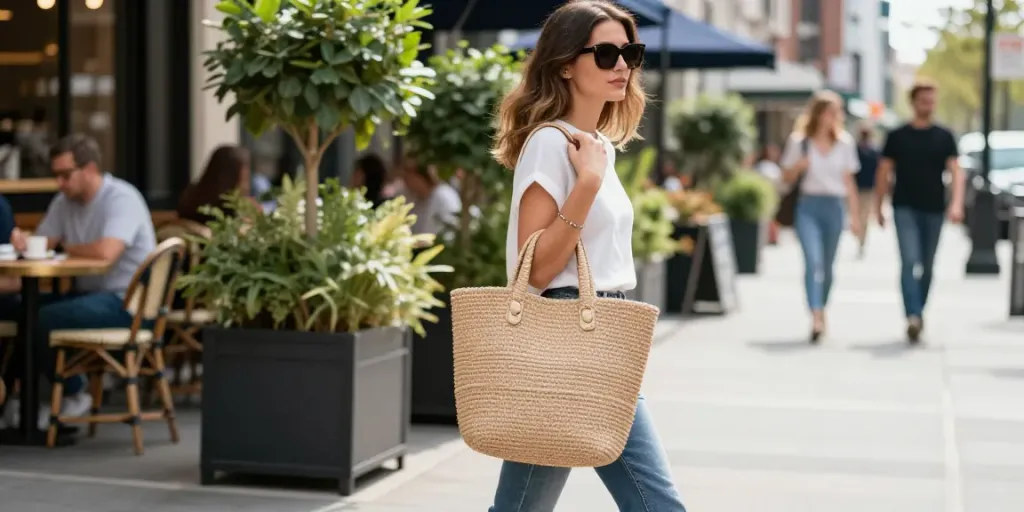
Your personal style plays a significant role in choosing the right raphia bag. Raphia bags range from casual day bags to elegant evening clutches. When selecting a bag, consider your wardrobe and how the bag complements your outfits. Whether you prefer bold colours or natural tones, there’s a raphia bag that can enhance your overall look.
Care and Maintenance: Keeping Your Raphia Bag Beautiful
To extend the lifespan of your raphia bag, proper care and maintenance are essential. With a few simple steps, you can ensure your bag retains its beauty and functionality.
Tips for Cleaning and Care
Cleaning raphia bags should be done gently to avoid damaging the fibres. Here are some upkeep tips:
- Spot Clean: Use a damp cloth to remove stains, avoiding harsh chemicals.
- Drying: Allow your bag to air dry away from direct sunlight to prevent fading.
Storage Solutions for Longevity
When not in use, store your raphia bag in a cool, dry place. It’s advisable to keep it in a dust bag to protect it from potential damage. Avoid overstuffing the bag, as this can distort its shape.
Signs of Wear: When to Seek Repairs
Like any crafted item, raphia bags may experience wear over time. Be on the lookout for fraying edges, broken straps, or loss of shape. Addressing these issues promptly can prevent further damage and extend the life of your beloved accessory.
The Future of Raphia: Trends for 2026 and Beyond
The landscape of fashion is continually evolving, and raphia is poised to play a significant role in upcoming trends. As sustainability becomes increasingly paramount, the demand for ethically sourced materials like raphia is expected to rise.
Raphia in Fashion: What's Next?
In 2026, we anticipate a surge in raphia’s popularity within high-end fashion collections. Designers are likely to experiment with innovative techniques, blending raphia with other materials such as leather and canvas, creating unique hybrid pieces that retain the charm of traditional craftsmanship.
Emerging Designers and Innovations in Raphia
New designers are entering the market with fresh perspectives on raphia craftsmanship. By incorporating modern design sensibilities and embracing the principles of sustainability, these creators are ensuring that raphia remains relevant and sought after in the fashion scene.
The Growing Demand for Sustainable Fashion
The increasing consumer awareness regarding environmental issues will drive the demand for sustainable fashion. As raphia embodies environmental mindfulness and artisan craftsmanship, it is positioned to attract conscientious consumers who value authenticity and ethical practices.
What are the benefits of using raphia bags?
Raphia bags are lightweight, durable, and stylish, making them ideal for everyday use. Their natural origins mean they are biodegradable, and their unique craftsmanship ensures each piece is a work of art.
How can I properly care for my raphia bag?
Caring for your raphia bag involves gentle cleaning, proper storage, and timely repairs. By following the maintenance tips outlined above, you can keep your bag looking beautiful for years to come.
Where can I find authentic raphia products?
Authentic raphia products can be purchased from established brands that focus on ethical craftsmanship. Look for labels that highlight their commitment to fair trade and sustainable sourcing.
Why is raphia considered an eco-friendly material?
Raphia is eco-friendly due to its minimal environmental impact during cultivation. It grows naturally without the need for harmful pesticides, making it a sustainable choice for conscious consumers.
What makes raphia bags unique compared to other bags?
Raphia bags stand out due to their unique texture, handcrafted quality, and eco-friendly nature. Each bag tells a story, reflecting the artisanal skills and cultural heritage of its maker.