
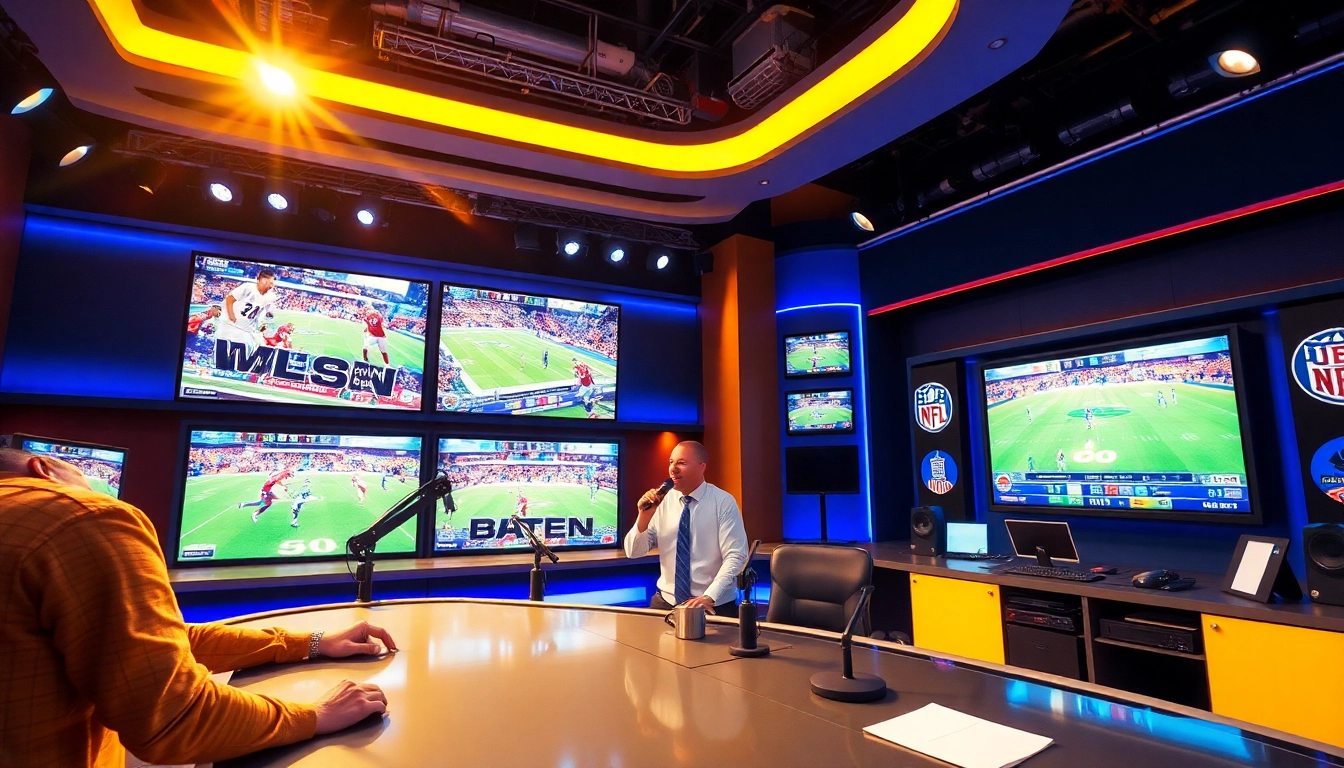
Understanding the Fundamentals of Sports Broadcasting
Defining Sports Broadcasting
Sports Broadcasting is the process of delivering live or recorded sports events through various media platforms to an audience. It encompasses not just the play-by-play commentary, but also the analysis, highlights, and interviews that provide context and entertainment. With the rise of digital platforms, Sports Broadcasting now transcends traditional television and radio, reaching audiences via streaming services, social media, and mobile applications.
The Evolution of Sports Broadcasting
The evolution of sports broadcasting has mirrored advancements in technology and shifts in viewer preferences. In the early days, radio was the primary medium, followed by television which brought a visual dimension to sports. The introduction of color broadcasts, instant replay technology, and high-definition (HD) visuals have consistently transformed how audiences engage with sporting events. Currently, streaming platforms are leading the charge, enabling viewers to access content on-demand and personalize their viewing experiences.
Key Roles in the Industry
Sports Broadcasting involves a myriad of roles, each contributing to the overall production quality. Key players include:
- Producers: They oversee the broadcast, coordinating all elements and managing the crew.
- Commentators: These individuals provide live commentary, analysis, and context to engage the audience.
- Camera Operators: They capture the action by operating cameras and ensuring key moments are recorded.
- Sound Engineers: Responsible for the audio quality, they ensure clear sound for both commentary and ambient noise.
Essential Equipment for Sports Broadcasting
Cameras and Sound Equipment
High-quality visuals and sound are fundamental to effective sports broadcasting. Essential equipment includes:
- HD Cameras: They capture high-resolution footage, allowing viewers to enjoy a detailed view of the action.
- Microphones: Both handheld and lapel mics are crucial for capturing commentary and interviews accurately.
- Sound Mixers: They manage the audio levels, ensuring that commentary, crowd noise, and other sounds are balanced.
Studio vs. Field Broadcasting Gear
Different broadcasting scenarios require different equipment setups. Studio broadcasting typically utilizes fixed cameras and elaborate sets, supplemented with advanced graphics and editing software. Field broadcasting, on the other hand, necessitates portable equipment that can be easily transported and set up quickly, allowing for real-time coverage of events.
Broadcasting Software Solutions
In addition to physical equipment, good broadcasting relies on software solutions that enhance production quality. Key software includes:
- Editing Software: Programs for editing footage before airing, ensuring a polished final product.
- Live Streaming Platforms: They allow for real-time broadcasts to online audiences, often incorporating interactive elements.
- Graphics Tools: Software that enables the addition of statistics, player information, and other graphic overlays during the broadcast.
Content Creation Strategies in Sports Broadcasting
Crafting Engaging Sports Narratives
Engaging sports broadcasts tell a story, captivating the audience from beginning to end. Effective narrative strategies include focusing on key players’ backgrounds, pivotal moments in the game, and employing storytelling techniques to build excitement and suspense throughout the broadcast.
Utilizing Social Media for Audience Engagement
Social media has transformed how audiences interact with sports content. Platforms like Twitter, Instagram, and TikTok allow broadcasters to engage audiences in real-time or share highlights to encourage viewer interaction. Utilizing hashtags and interactive polls during broadcasts can enhance viewer engagement, giving fans a voice and a way to contribute to the conversation.
Real-time Content Delivery Techniques
With the popularity of live streaming, real-time content delivery has become vital. Techniques such as incorporating live stats, instant replays, and viewer polls create a dynamic viewing experience that keeps fans engaged. By utilizing technologies such as augmented reality (AR) or virtual reality (VR), broadcasters can also provide innovative experiences that elevate viewer immersion.
Challenges and Solutions in Sports Broadcasting
Managing Live Event Logistics
Live sports events present a unique set of logistical challenges, including scheduling conflicts, coordinating with teams, and securing equipment. Effective planning and communication are critical, along with having contingency plans in place for unexpected occurrences such as weather delays or technical issues.
Adapting to Technological Changes
The rapid evolution of technology requires broadcasters to stay current and adaptable. Continuous training in the latest software and equipment is essential, along with being open to integrating new technologies that can improve broadcast quality and audience engagement.
Responding to Audience Feedback
Understanding viewers' preferences and feedback is crucial for improving broadcasts. Analyzing audience metrics, such as viewer engagement and retention rates, helps tailor content to what resonates with fans, ultimately increasing satisfaction and viewership.
Measuring Success in Sports Broadcasting
Key Performance Indicators and Metrics
Measuring success in sports broadcasting involves several key performance indicators (KPIs). These include viewership numbers, audience engagement statistics, and social media interactions. By tracking these metrics, broadcasters can identify trends and improve their content strategy effectively.
Audience Analytics and Insights
Audience analytics provide deep insights into viewer behavior, preferences, and demographics. Utilizing tools that analyze this data allows broadcasters to refine their targeting and content strategies, ensuring they meet audience expectations and preferences.
Ad Revenue and Brand Partnerships
Analyzing revenue generated from ads and brand partnerships is a crucial aspect of measuring success in sports broadcasting. Establishing strong partnerships with brands can lead to innovative sponsorship opportunities and increased ad revenue, contributing significantly to the overall sustainability of the broadcasting operation.
FAQs About Sports Broadcasting
What are the main roles in sports broadcasting?
The main roles include producers, commentators, camera operators, and sound engineers. Each plays a vital role in delivering high-quality broadcasts.
How has technology influenced sports broadcasting?
Technology has revolutionized sports broadcasting through enhanced graphics, live streaming capabilities, and interactive audience engagement tools.
What equipment is essential for sports broadcasting?
Essential equipment includes high-definition cameras, sound mixers, microphones, and broadcast software for editing and live telecasts.
How can content be effectively created for sports broadcasts?
Effective sports content creation requires story-driven narratives, engaging commentary, and real-time audience interaction through social media platforms.
What metrics are important for measuring success?
Important metrics include viewership numbers, audience engagement rates, social media interaction, and revenue generated from ads and partnerships.