Crafting the Perfect Custom Cabinet for Your Home Design

Introduction to Custom Cabinetry
When it comes to home design, few elements make as strong an impression as cabinetry. One of the most versatile and impactful choices for homeowners is the custom cabinet. These cabinets not only provide essential storage solutions but also serve as a canvas for personal expression and aesthetic appeal in space design. In this article, we will delve deeply into the world of custom cabinetry, exploring its features, benefits, and the various aspects that contribute to a successful custom cabinet project.
What is a Custom Cabinet?
A custom cabinet is a piece of furniture constructed specifically according to the unique specifications of the homeowner’s requirements and style preferences. Unlike stock cabinets that come in standard sizes and designs, custom cabinets are tailored to fit perfectly into the designated space, taking into account not only dimensions but the homeowner’s taste, functionality, and desired finish. This makes custom cabinets a unique merge of practicality and artistry, allowing for an array of styles, colors, and materials that reflect individual personality and needs.
Benefits of Custom Cabinet
The benefits of opting for custom cabinets are substantial, including:
- Personalization: Custom cabinets provide the opportunity to design a solution that meets specific needs, such as specialized storage for various items.
- Space Optimization: They can be created to utilize every inch of space, making them ideal for rooms with unusual dimensions.
- Quality Craftsmanship: Custom cabinets typically boast superior materials and construction methods compared to pre-fabricated options, enhancing durability and longevity.
- Functionality: Features like pull-out shelves, lazy Susans, and built-in organizers can be integrated to improve everyday use.
- Aesthetic Appeal: Homeowners can select styles and finishes that complement their overall home design, enhancing visual coherence.
Unique Design Features of Custom Cabinet
Custom cabinets offer a world of design possibilities. From intricate woodworking to bespoke hardware, the unique features that can be incorporated set these cabinets apart from traditional stock options:
- Integrated Lighting: LED strips or lights can be installed for enhanced visibility and ambiance.
- Curved or Unconventional Shapes: Curved cabinets can soften harsh lines in a room and create visual interest.
- Open Shelving Options: Combining closed cabinets with open shelving can provide both display space and storage.
- Built-in Appliances: Cabinets can be designed specifically to house appliances, making for a clean look and more usable space.
- Personalized Finishes: From matte to high-gloss, homeowners can choose finishes that best fit their style.
Planning Your Custom Cabinet Project
Before diving into the joy of designing your custom cabinet, careful planning is paramount. This stage will set the foundation for a successful project that meets your expectations and budget.
Assessing Your Space
The first step in planning for custom cabinets is assessing the space they will occupy. It’s vital to measure dimensions meticulously and consider elements such as:
- Ceiling height: Will the cabinets extend to the ceiling for increased storage?
- Wall layout: Are there windows, doors, or other architectural features that will affect cabinet placement?
- Flooring and baseboards: Ensure that the design complements existing features.
Additionally, consider how you want the new cabinetry to function. Will it primarily serve as storage, or will it play a more decorative role? This understanding will guide the design process effectively.
Selecting Materials for Your Custom Cabinet
The choice of materials is critical in determining both the appearance and longevity of your custom cabinets. Options often include:
- Wood: Solid hardwood is highly favored due to its durability and aesthetic appeal. However, softer woods like pine can also work for budget-friendly options.
- Plywood: Built from layers of wood veneer, plywood offers strength and stability, making it a popular choice for cabinet bodies.
- Laminate: This option is a budget-friendly alternative that can mimic the appearance of wood while being more resistant to moisture and scratches.
- Metal: For a contemporary look, metal cabinetry can provide a sleek, modern aesthetic.
Understanding Costs and Budgets
Creating a custom cabinet typically involves more costs than buying pre-made choices. Factors influencing the final price include material selection, complexity of design, and additional features. It is beneficial to establish a budget early in the planning process. Consult with professionals and get quotes tailored to your project scope. This foresight will help avoid unforeseen expenses later and will allow for more informed decision-making throughout.
Design Styles for Custom Cabinet
The design style of your custom cabinet can dramatically influence the overall feel of your space. Understanding the various styles and how they can be adapted into your desired aesthetic can ensure a harmonious design.
Modern vs. Traditional Custom Cabinet Styles
When discussing design styles, two broad categories typically emerge: Modern and Traditional. Each has unique characteristics:
- Modern: Characterized by clean lines, minimal embellishments, and a focus on functionality, modern cabinets often use a mix of materials, such as wood, glass, and metal.
- Traditional: This style typically features ornate details, rich woods, and classic hardware. Traditional custom cabinets often emphasize craftsmanship, with raised panel doors and intricate molding.
Ultimately, the blend between modern and traditional can result in a transitional style that can accommodate a variety of local architectural influences.
Incorporating Functionality in Custom Cabinet Design
While the aesthetic plays a significant role, functionality is where the true value of custom cabinets shines. Consideration of practical elements includes:
- Drawers and Shelves: Incorporating various drawer depths and shelf heights ensures optimized storage for diverse items.
- Lighting Solutions: Install under-cabinet lighting to enhance visibility and create ambiance.
- Integrated Technology: Smart storage solutions are evolving, allowing for the integration of tech, such as charging stations.
- Easy Access Features: Pull-out shelves or lazy Susans can maximize accessibility.
Color and Finish Options for Custom Cabinet
Choosing the right color and finish can elevate the custom cabinetry to another level. Popular trends include:
- Neutral Tones: Whites, greys, and creams continue to dominate for their timeless appeal.
- Bold Colors: Rich blues, greens, and even black cabinets can create dramatic focal points in a space.
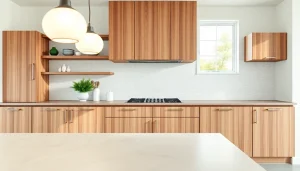
- Natural Finishes: Showcasing natural wood grain through stains also remains popular.
Ultimately, the finish should not only align with your style preference but also enhance the durability of the cabinetry.
Installation Process of Custom Cabinet
The installation of custom cabinets is the step that transforms your design ideas into reality. Being well-informed about the installation process can help ensure a smoother experience.
Preparing Your Home for Installation
Before the installation begins, certain preparations can make the process easier:
- Clear the area around where the cabinets will be installed.
- Ensure pets and children are kept away from the work zone.
- Make sure any existing cabinetry is removed.
- Double-check measurements and design layouts with your contractor before work begins.
Installation Tips to Consider
Safety and precision are crucial during installation. Here are some best practices:
- Use level tools to ensure cabinets are aligned properly.
- Begin with larger sections before adding smaller components.
- If applicable, ensure the cabinets are securely anchored to the walls for safety.
Post-Installation Care for Custom Cabinet
Once installed, your custom cabinets will require some level of maintenance to sustain their beauty:
- Use gentle cleaners suitable for the cabinet material and avoid abrasive tools that could scratch surfaces.
- Regularly check hardware, ensuring that hinges and pulls remains tight and functional.
- Maintain humidity levels to prevent warping of wooden cabinets.
Frequently Asked Questions about Custom Cabinet
How long does it take to create a custom cabinet?
The time frame varies depending on design complexity, material sourcing, and workshop workload. Typically, it can take 4-8 weeks from start to finish.
Can I customize the size of my cabinet?
Yes! Custom cabinets are made to fit your exact measurements, ensuring they align perfectly with your space and functional needs.
What materials are best for custom cabinets?
Hardwoods, plywood, and quality laminates are often recommended for durability and aesthetics. Evaluate based on your kitchen’s demands.
Are custom cabinets worth the investment?
Absolutely! Custom cabinets offer tailored design, functionality, and higher-quality materials, which tend to last longer than stock options.
How do I maintain my custom cabinet?
Regular cleaning with gentle solutions, avoiding heavy moisture, and periodic checks on hardware can help keep your cabinets in top shape.